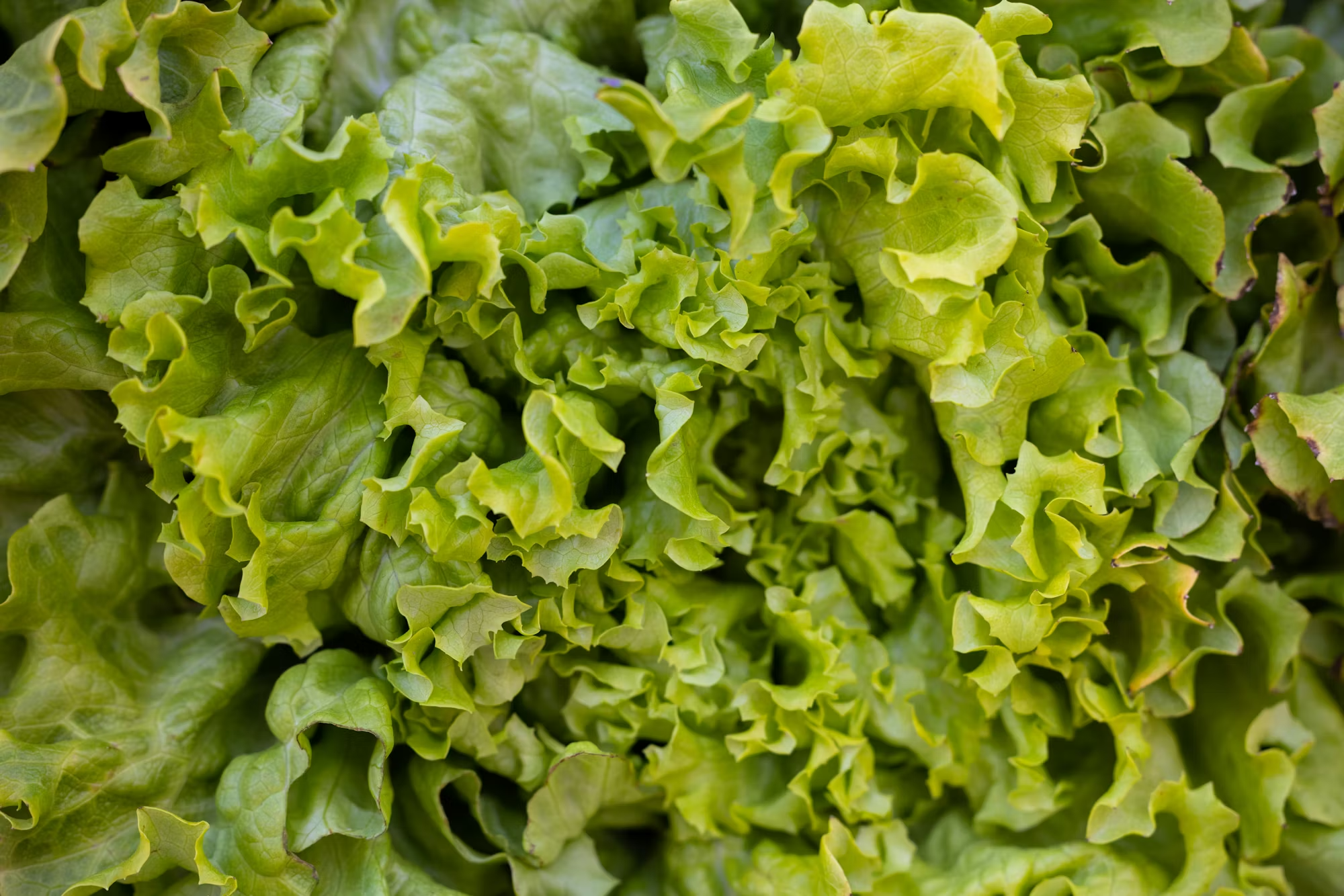
In recent years, the plant-based lifestyle has gained significant popularity, drawing attention from health enthusiasts, environmental advocates, and those seeking to make more ethical food choices. A plant-based diet emphasizes the consumption of whole, unprocessed plant foods, including fruits, vegetables, whole grains, legumes, nuts, and seeds, while minimizing or eliminating animal products. This article explores the numerous benefits of a plant-based diet and offers practical tips for making the transition smoothly.
The Health Benefits of a Plant-Based Diet
One of the most compelling reasons to adopt a plant-based diet is its numerous health benefits. Research has shown that individuals who follow a plant-based lifestyle tend to have lower rates of chronic diseases, including heart disease, diabetes, and certain types of cancer. Here are some key health advantages:
1. Heart Health: A diet rich in fruits, vegetables, whole grains, and healthy fats can significantly reduce the risk of heart disease. Plant-based foods are often lower in saturated fat and cholesterol, contributing to better cardiovascular health. Foods such as avocados, nuts, and olive oil provide healthy fats that support heart function.
2. Weight Management: Many people find it easier to manage their weight on a plant-based diet due to the high fiber content of plant foods. Fiber not only promotes feelings of fullness but also aids digestion and helps regulate blood sugar levels. Incorporating a variety of fruits, vegetables, and whole grains can lead to a naturally lower calorie intake, facilitating weight loss or maintenance.
3. Improved Digestion: The fiber found in plant-based foods is essential for digestive health. It helps maintain regular bowel movements and supports a healthy gut microbiome. Foods rich in fiber, such as beans, lentils, and whole grains, can prevent constipation and promote overall digestive well-being.
4. Enhanced Energy Levels: Many individuals report increased energy levels after transitioning to a plant-based diet. This boost in energy can be attributed to the nutrient-dense nature of plant foods, which provide essential vitamins, minerals, and antioxidants that support overall health.
Environmental Impact of a Plant-Based Lifestyle
Beyond personal health, adopting a plant-based diet has significant positive implications for the environment. The livestock industry is a major contributor to greenhouse gas emissions, deforestation, and water pollution. By reducing or eliminating animal product consumption, individuals can play a part in mitigating environmental degradation. Here are a few ways a plant-based diet benefits the planet:
1. Reduced Carbon Footprint: Studies indicate that shifting towards a plant-based diet can substantially lower one’s carbon footprint. Plant agriculture generally requires less energy, land, and water compared to animal farming. By choosing plant foods over animal products, individuals can help reduce greenhouse gas emissions associated with food production.
2. Conservation of Resources: Animal agriculture is resource-intensive, requiring vast amounts of water and land. By consuming more plant-based foods, we can conserve these precious resources. For example, producing a pound of beef requires significantly more water and land than growing a pound of vegetables or grains.
3. Biodiversity Protection: The expansion of livestock farming often leads to habitat destruction and loss of biodiversity. By adopting a plant-based diet, individuals can contribute to preserving ecosystems and promoting biodiversity. Eating a variety of plant foods encourages sustainable agricultural practices that benefit the environment.
Ethical Considerations
Many people choose a plant-based lifestyle due to ethical concerns regarding animal welfare. Factory farming practices often prioritize profit over the well-being of animals, leading to crowded, inhumane living conditions. By adopting a plant-based diet, individuals can align their food choices with their values, promoting more humane treatment of animals. This ethical standpoint encourages compassion and respect for all living beings.
Practical Tips for Transitioning to a Plant-Based Diet
Making the switch to a plant-based lifestyle can feel overwhelming at first, but with a few practical strategies, the transition can be smooth and enjoyable:
1. Start Slowly: Begin by incorporating more plant-based meals into your diet gradually. Try adopting “Meatless Mondays” or replace one animal-based meal with a plant-based option each week. This approach allows your palate to adjust while still enjoying familiar foods.
2. Experiment with New Recipes: Explore a variety of plant-based recipes to discover new flavors and cuisines. Experimenting with different herbs, spices, and cooking methods can make plant-based meals exciting and satisfying. Online resources, cookbooks, and food blogs offer a wealth of inspiration for delicious plant-based dishes.
3. Focus on Whole Foods: Prioritize whole, minimally processed foods to ensure you receive optimal nutrition. While plant-based alternatives are available, they can be heavily processed and less nutritious. Emphasize fruits, vegetables, whole grains, legumes, nuts, and seeds in your diet.
4. Plan Your Meals: Meal planning can simplify the transition to a plant-based diet. Dedicate some time each week to plan meals and snacks, ensuring you have a variety of nutritious options available. Preparing meals in advance can help you avoid reaching for convenience foods that may not align with your new lifestyle.
5. Join a Community: Connecting with others who share similar dietary goals can provide motivation and support. Look for local plant-based groups, online forums, or social media communities where you can exchange recipes, tips, and experiences.
Conclusion
Adopting a plant-based lifestyle offers numerous health benefits, positively impacts the environment, and aligns with ethical values regarding animal welfare. By incorporating more plant-based foods into your diet, you can improve your overall health while contributing to a more sustainable future. With practical tips and an open mind, transitioning to a plant-based diet can be an enjoyable and rewarding journey. Embrace the vibrant world of plant-based eating and discover the delicious flavors and nourishing possibilities that await you.